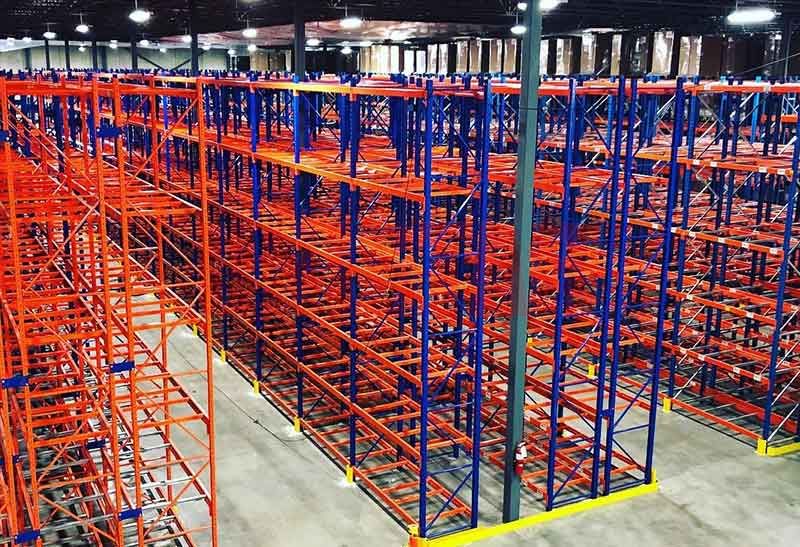
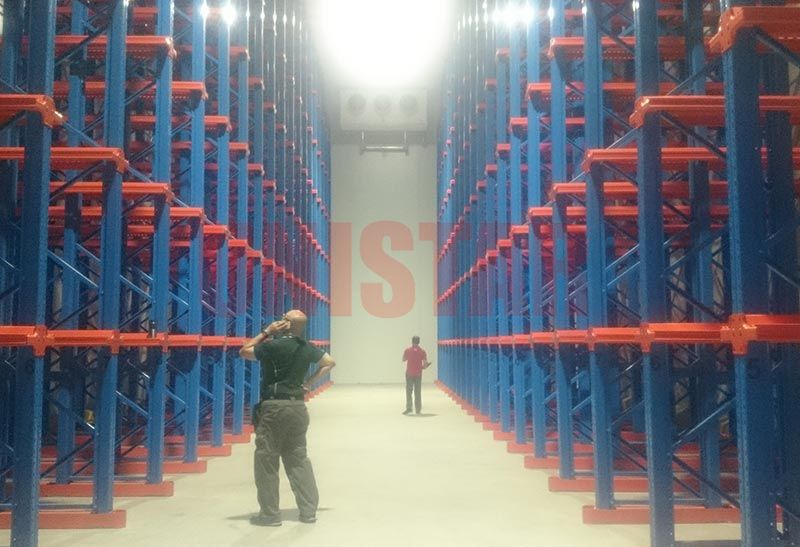
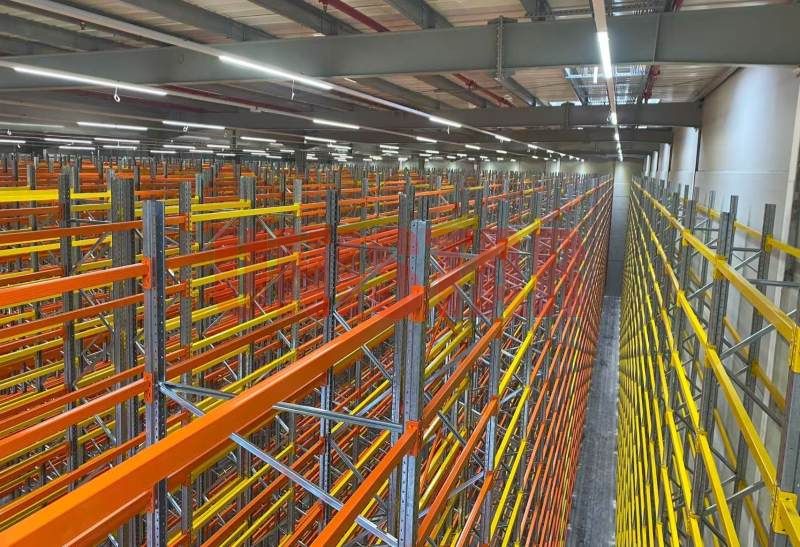
A food and beverage warehouse racking system must support more than pallet capacity. The layout also needs to match product shelf life, lot codes, production schedules, SKU variety, packaging stability, order profiles and dispatch frequency. Bottled drinks, canned products, dairy goods, packaged foods, ingredients and cartons do not always require the same storage method.
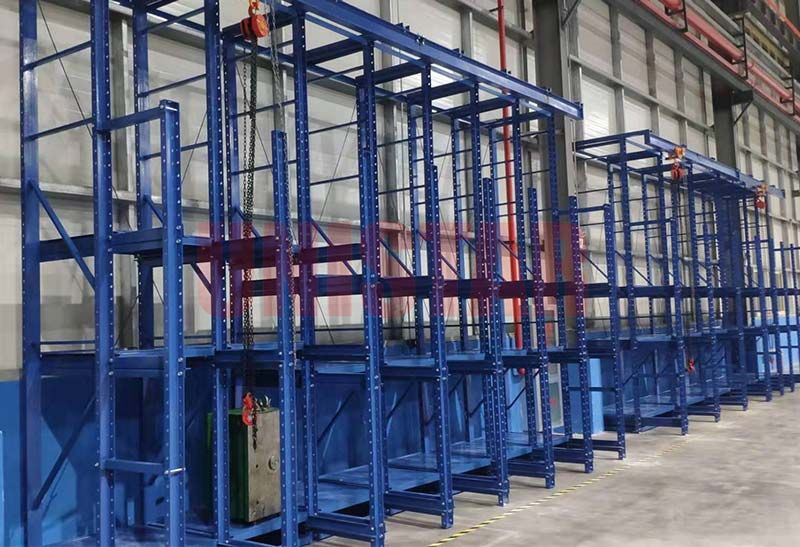
UNISTAR configures food and beverage warehouse racking systems for raw-material storage, production buffers, finished-product warehouses, distribution centers and case-picking areas. Selective, pallet flow, drive-in, push back, radio shuttle and carton flow systems can be combined according to the operating role of each warehouse zone. The objective is to give each stock group the appropriate access, density and rotation method instead of placing every product in one rack configuration.

| Product or operation | Typical storage requirement | Recommended starting solution |
|---|---|---|
| Ingredients on pallets | Batch separation and reliable access to individual loads | Selective Pallet Racking |
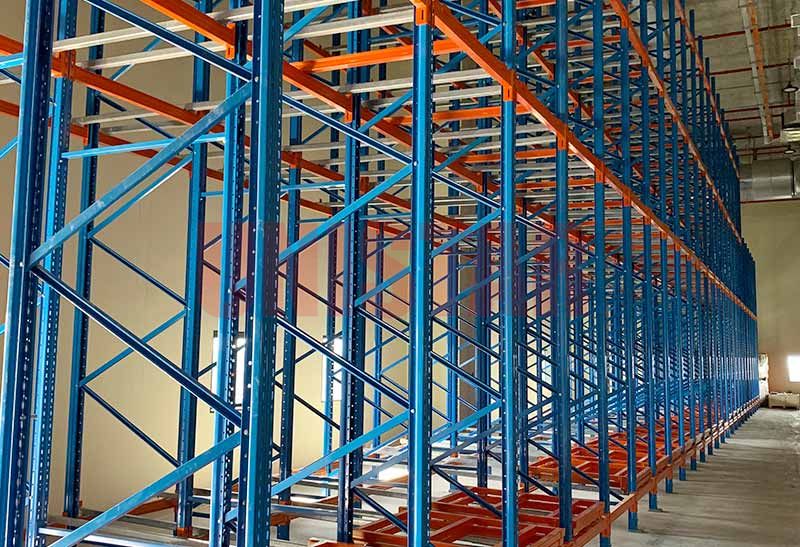
| High-volume finished beverages | Dense storage for repeated pallet sizes and stable loads | Drive-In Racking, Push Back Racking or Radio Shuttle Racking |
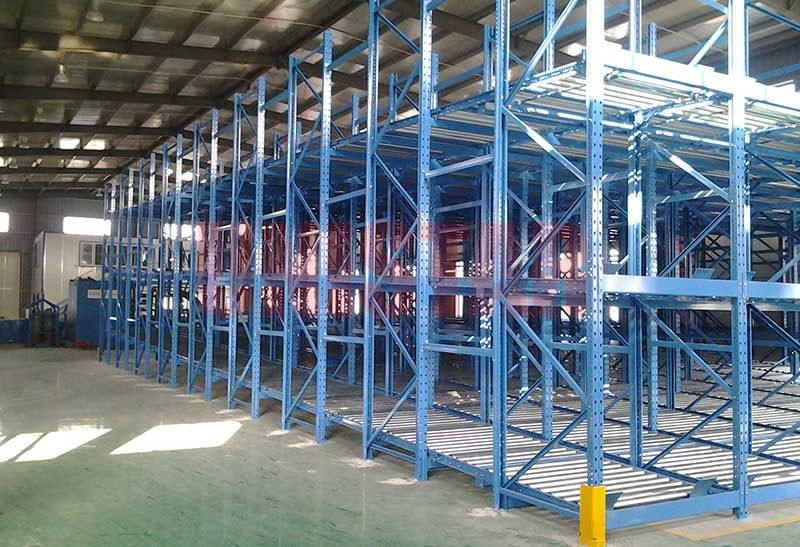
| Products requiring sequential rotation | Separate loading and picking with FIFO movement | Pallet Flow Racking |
| Mixed-SKU distribution inventory | Direct access and flexible beam levels | Selective or Double Deep Racking |
| Carton and case picking | Automatic replenishment of the front picking position | Carton Flow Racking |
| Seasonal or promotional stock | Temporary high-density reserve capacity | Push back, drive-in or radio shuttle racking |
| Finished goods with high pallet throughput | Reduced internal lane travel and repeatable pallet movement | Radio shuttle racking |
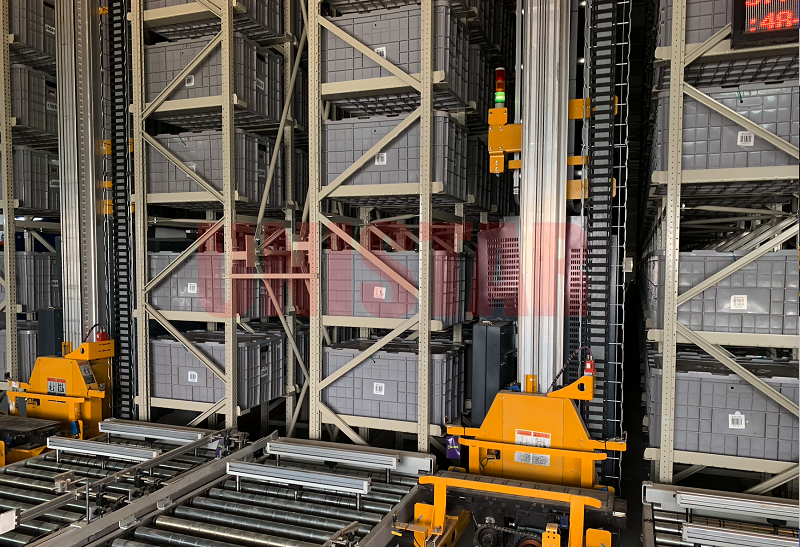
| Automated production or distribution operation | Integrated racking, handling equipment and controls | Review separately under AS/RS solutions |
| Inventory profile | Suitable system | Rotation method | Selection notes |
|---|---|---|---|
| Many SKUs with few pallets per SKU | Selective pallet racking | FIFO can be managed through operating procedures | Provides direct access to individual lots and pallet positions |
| Few SKUs with many pallets per SKU | Drive-in racking | LIFO in single-entry layouts; FIFO may be configured with drive-through access | Suitable for homogeneous bulk stock where high density is the priority |
| Date-sensitive, high-volume pallets | Pallet flow racking | FIFO | Loading and picking occur from opposite sides |
| Stable products with short storage cycles | Push back racking | LIFO/FILO | Uses one operating aisle and provides multiple pallets of depth |
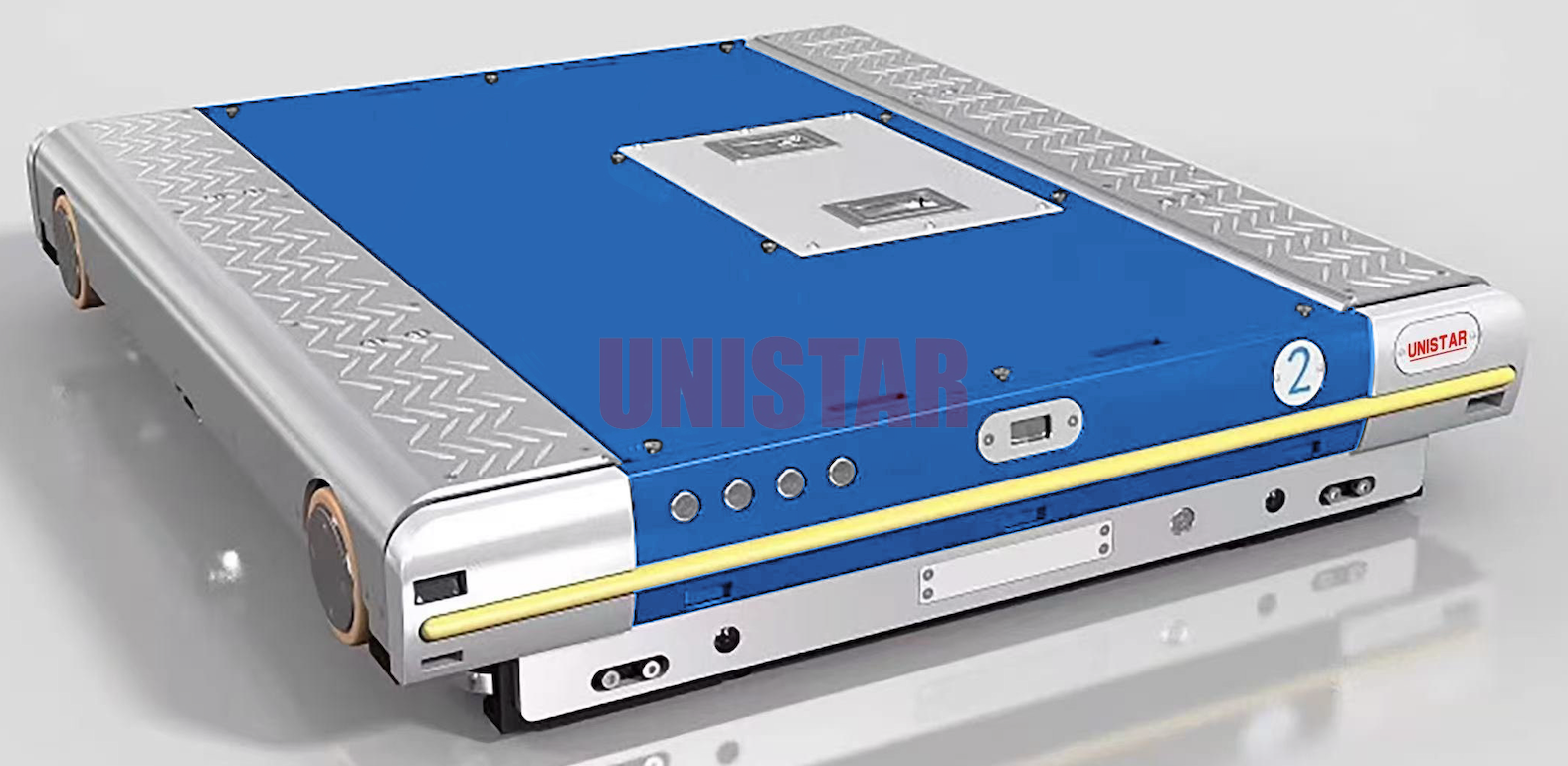
| High-volume storage requiring faster lane handling | Radio shuttle racking | FIFO or LIFO | The shuttle carries pallets inside the lane while the forklift operates at the face |
| Cartons, cases or bins picked individually | Carton flow racking | FIFO at the physical lane level | Suitable for order picking, replenishment and packing areas |
FIFO and FEFO are not identical. Pallet flow racking creates a physical First-In, First-Out sequence. First-Expired, First-Out depends on expiry-date data, labeling, warehouse procedures or WMS instructions.
Assign one SKU or controlled batch to each flow lane. Mixing incompatible products or batches in the same lane can make rotation and traceability difficult.
Separate reserve storage from active picking. Bulk pallets can be stored in deep-lane racking while active stock is held in selective or carton flow locations.
Create defined quarantine and return areas. Damaged, returned or inspection-pending stock should not share unrestricted locations with saleable inventory.
Maintain visible identification points. Rack labels and pallet labels should remain accessible for barcode or RFID scanning according to the warehouse control process.
Confirm the dispatch rule before choosing the rack. Products with strict date sequencing may need pallet flow, while stable beverages or packaging materials may be suitable for LIFO storage.
Coordinate product segregation requirements. Allergen, packaging, raw-material and finished-goods separation must be planned according to the facility’s own food-control procedures.
The racking layout can support traceability and stock rotation, but it does not by itself create HACCP, BRC, IFS or other facility compliance.
| Check item | Procurement question | Effect on design |
|---|---|---|
| Pallet type | Are wood, plastic or steel pallets used? | Determines beam, rail and roller compatibility |
| Pallet dimensions | Are all pallets the same size? | Mixed sizes may require separate zones or different support arrangements |
| Entry direction | Which side will the forklift enter? | Affects beam orientation and lane design |
| Maximum load | What is the heaviest pallet, including packaging? | Determines structural loads |
| Load distribution | Is the weight centered and evenly distributed? | Uneven loads may require additional support |
| Product stability | Are bottles, cans or cartons securely wrapped? | Unstable loads may require containment or revised clearances |
| Pallet underside | Is the pallet base compatible with rails or rollers? | Essential for pallet flow, shuttle and push back systems |
| Overhang | Does the product extend beyond the pallet? | Affects rack depth, flue spaces and rear clearance |
| Pallet quality | Are damaged or highly deflected pallets present? | Damaged pallets may not travel safely through dynamic rack lanes |
| Picking method | Is stock dispatched by full pallet, layer, case or item? | Determines whether pallet racking, carton flow or a hybrid layout is required |
| Warehouse zone | Suggested system | Operational purpose |
|---|---|---|
| Raw-material receiving | Selective pallet racking | Inspection and direct access to individual lots |
| Production buffer | Pallet flow racking | Sequential replenishment between receiving, production and processing |
| Bulk finished-goods reserve | Drive-in, push back or radio shuttle racking | Dense storage of repeated products |
| High-turnover dispatch stock | Pallet flow racking | FIFO movement and separate loading/picking aisles |
| Mixed-SKU order preparation | Selective pallet racking | Direct access to different products |
| Case-picking area | Carton flow racking | Front-face replenishment for individual cartons |
| Quarantine and returned stock | Dedicated selective bays | Physical separation and clear stock status |
This combined approach prevents fast-picking requirements from reducing the density of the entire warehouse. It also avoids placing low-volume SKUs in deep storage lanes that would be difficult to access.
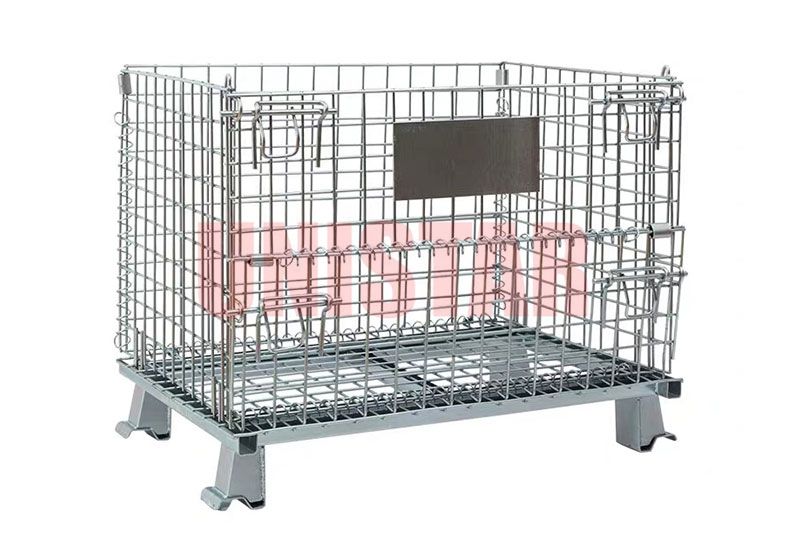
Wire Mesh Decks for applicable non-pallet or irregular-load support requirements
Pallet Support Bars where additional pallet support is required
Back Mesh Panels to help contain loose goods at the rear of selected rack rows
Back Stoppers to control pallet positioning where specified
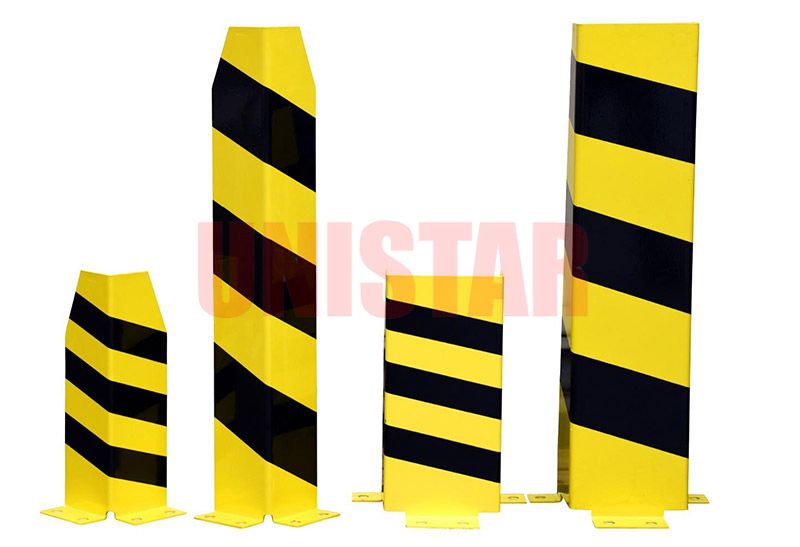
Upright Protectors for individual column protection
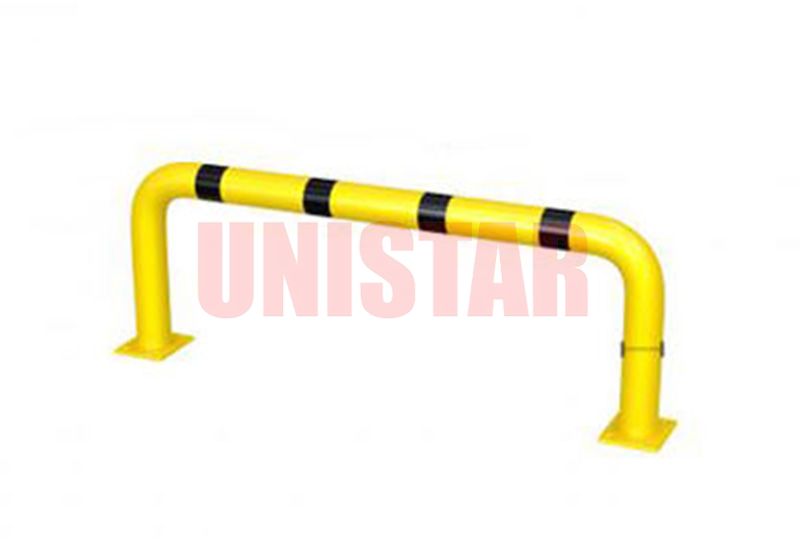
Frame Barriers for exposed rack ends and traffic areas
Rack labels and location identification based on the warehouse scanning system
Accessory selection must be based on the actual pallet, load, rack configuration, forklift traffic and local safety requirements.
Recommend Products