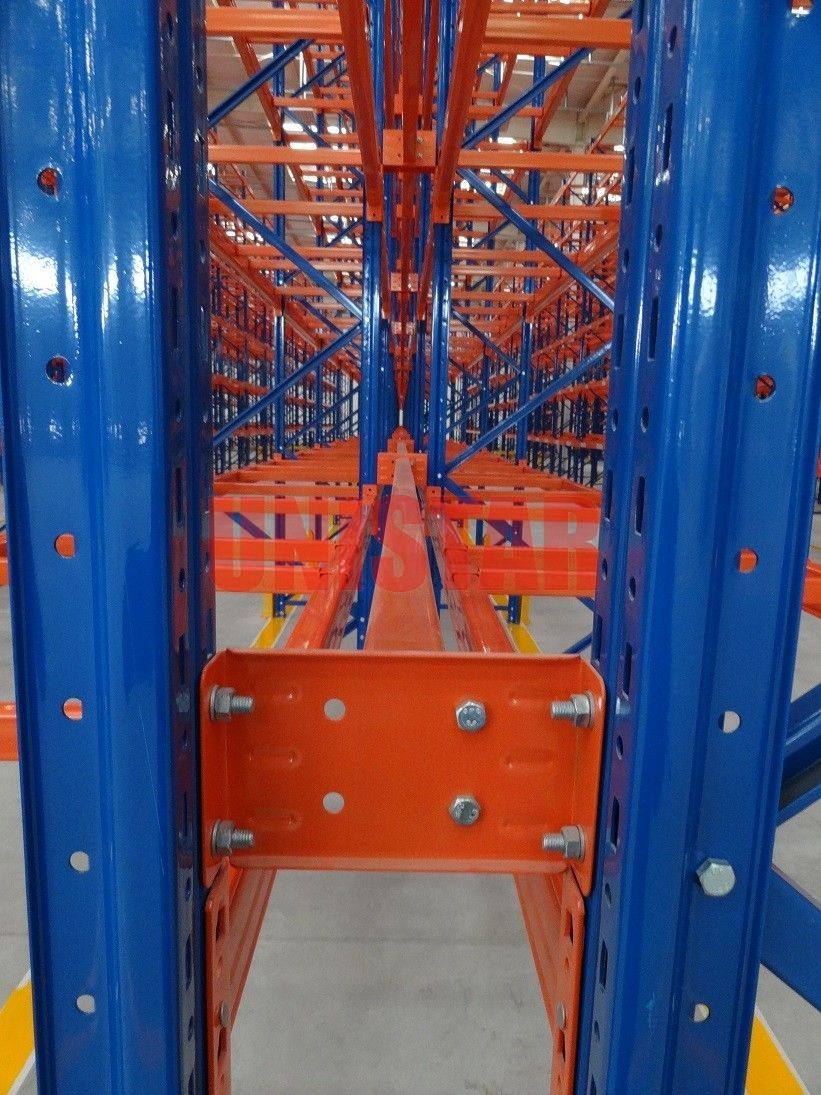
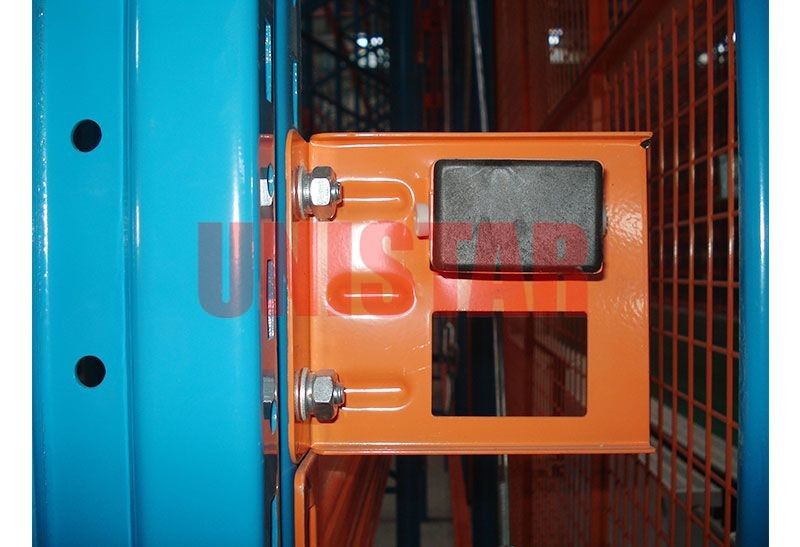
Products Description
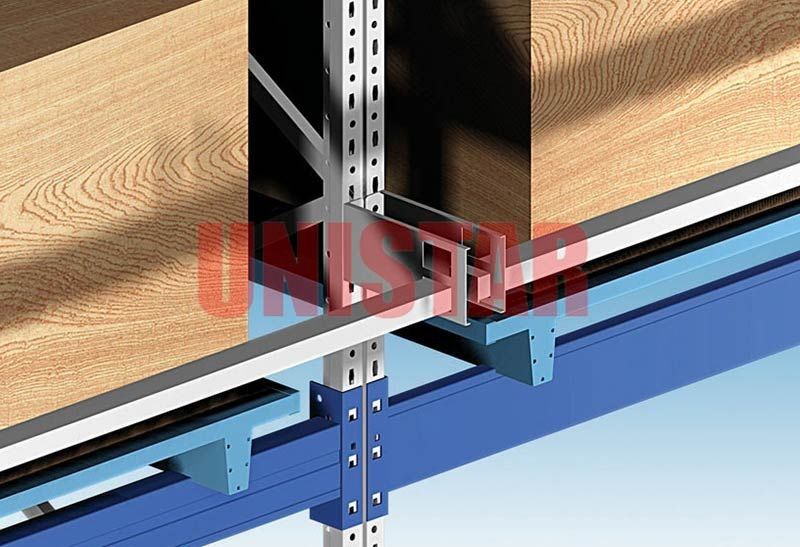
Pallet Rack Back Stopper limits how far a pallet can be pushed toward the rear of a rack during forklift loading. It helps control pallet positioning, reduce push-through risk and maintain the planned clearance behind the stored load.
The back stopper is a positioning and safety component rather than a pallet-supporting beam. Flush or offset configurations must be selected according to pallet overhang, rack depth and rear-clearance requirements.

Pallet Rack Back Stopper Main Functions
Limit excessive rearward pallet movement
Reduce pallet push-through risk
Maintain consistent pallet overhang
Protect walls, equipment or working areas behind the rack
Preserve planned spacing between back-to-back pallets
Assist forklift operators with repeatable pallet placement
Pallet Rack Back Stopper Configuration Options
| Configuration | Suitable Condition |
|---|---|
| Flush back stopper | Pallet should finish close to the rack rear |
| Offset back stopper | Defined pallet overhang or rear clearance is required |
| Beam-mounted stopper | Stop position follows a specific storage level |
| Upright-mounted rail | Continuous rear control is required across a bay |
| Double-sided arrangement | Back-to-back rack rows require coordinated spacing |
Pallet Rack Back Stopper Selection and Safety Notes
The stopper must contact an appropriate part of the pallet.
It should not carry the normal vertical pallet load.
Offset distance must account for pallet overhang.
Back-to-back rows require sufficient separation between loads.
Required longitudinal flue space must be maintained.
The stop position should not conflict with sprinklers or services.
Deformed stoppers should be inspected and replaced where necessary.