Products Description
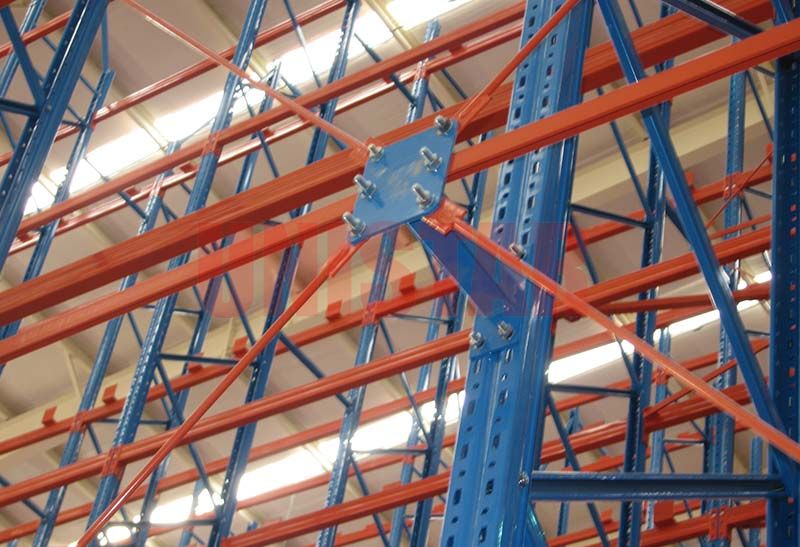
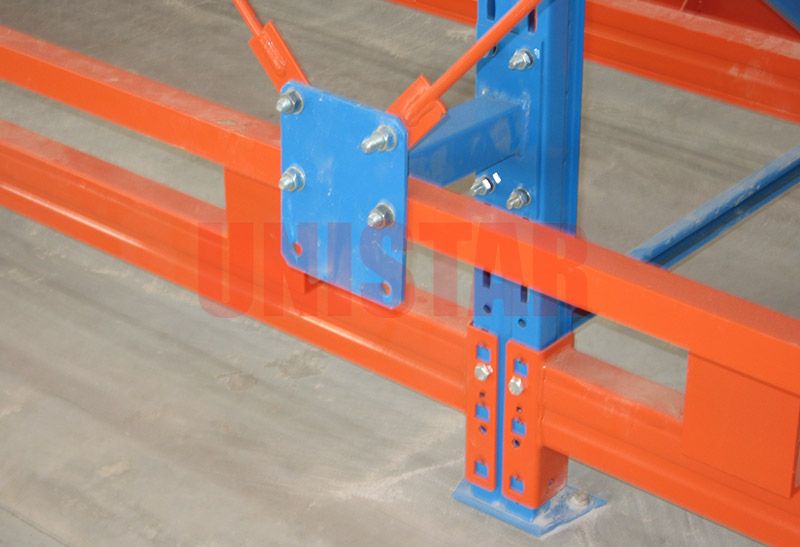
Pallet Rack Back Bracing uses diagonal members and connection plates along the rear of a rack run to provide additional longitudinal stability where required by the structural design. It is used in selected tall, high-load, seismic or project-specific rack configurations.
Back bracing is a structural stability component. It is different from upright-frame bracing, which is installed within each frame, and from a pallet back stopper, which controls pallet placement.

Pallet Rack Back Bracing Functions
Transfer longitudinal forces through the rack structure
Reduce excessive movement along the rack row
Connect selected upright frames into a braced arrangement
Improve stability in project-specific high-bay layouts
Support engineered seismic configurations
Maintain structural alignment under operating loads
Back Bracing Compared with Other Components
| Component | Main Function |
|---|---|
| Back bracing | Provides longitudinal structural restraint |
| Upright-frame bracing | Connects the front and rear columns within one frame |
| Row spacer | Maintains spacing between back-to-back frames |
| Top tie | Connects opposing rows across an aisle |
| Back stopper | Limits rearward pallet movement |
| Frame barrier | Protects the rack from vehicle impact |
Pallet Rack Back Bracing Engineering Considerations
Bracing arrangement depends on rack height and run length.
Upright and beam profiles affect connection design.
Pallet loads and level spacing must be included in calculations.
Seismic, wind or other horizontal forces must be evaluated.
Bracing must not interfere with pallet placement or handling.
Connection plates and bolts must follow the approved structural drawing.
Bracing should not be added to an existing rack without engineering review.