In modern warehousing and distribution, effective storage solutions are critical for optimizing space and enhancing operational efficiency. Selective pallet racking is rapidly becoming a cornerstone in this industry, providing a versatile solution tailored for various storage needs. With features such as increased accessibility and customizable configurations, it serves as a pivotal tool for businesses looking to maximize their storage space while maintaining an organized inventory. One significant advantage is its ability to support various load capacities, making it ideal for diverse sectors such as retail, manufacturing, and logistics.
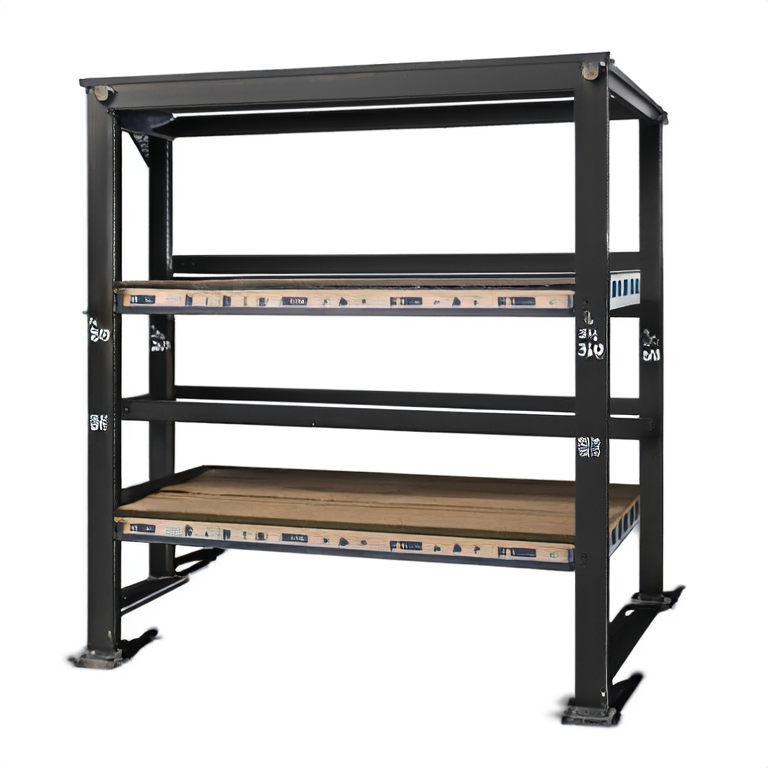
Selective pallet racking refers to a storage system that allows direct access to each pallet stored on the racks. This system typically comprises upright frames and horizontal beams, which can accommodate standard pallets while allowing for easy loading and retrieval. Industry professionals often refer to selective racking as a key solution due to its flexibility and adaptability. According to Material Handling Industry (MHI), selective pallet racking accounts for approximately 60% of all racking systems used in warehousing today, highlighting its prominence in storage solutions.
Selective pallet racking is widely applied across various industries, including:
Retail Warehousing: Ideal for businesses needing quick access to a wide array of products, selective pallet racking helps in swiftly managing stock rotation, ultimately improving service levels.
Manufacturing: In manufacturing environments, selective racking can support raw materials and finished goods, allowing for a streamlined workflow that enhances productivity.
Logistics and Distribution Centers: By facilitating rapid order picking and efficient inventory management, companies can significantly reduce lead times, leading to increased customer satisfaction.
Cold Storage Facilities: Selective racking also serves in refrigerated environments, where it supports the safe storage of temperature-sensitive products without compromising accessibility.
The significance of selective pallet racking lies in its numerous advantages:
High Accessibility: Each pallet is easily accessible, which can reduce order-picking times by up to 40%, as indicated in industry studies.
Customizable Configurations: These systems can be easily modified based on warehouse needs, accommodating various pallet sizes and weights. Custom solutions can support load capacities ranging from 1,000 lbs to over 4,000 lbs per pallet.
Increased Space Utilization: A properly installed selective racking system can help utilize vertical space, enhancing storage density by approximately 30%.
Cost-Effective: Businesses save costs in the long run due to increased efficiency and minimal loss of product due to better organization.
To get the most out of your selective pallet racking system, it’s essential to consult the user guide provided by suppliers. Understanding load capacities and appropriate configurations will help ensure that your racking system operates efficiently and safely. To learn more about selective pallet racking solutions, consider exploring offerings from brands like UNISTAR, known for their quality and innovative designs.
Q1: What load capacity do I need for my selective pallet racking?
The load capacity you require largely depends on the types of products you intend to store. Most selective pallet racking systems can handle loads ranging from 1,000 lbs to 4,000 lbs per pallet. Evaluate your inventory to determine which configuration best suits your needs.
Q2: How do I maintain selective pallet racking?
Regular inspections and maintenance checks are essential. Look for signs of wear, such as bent beams or damaged uprights, and ensure that the racking is securely anchored to the floor.
Q3: Can I increase the height of my selective pallet racks?
Yes, one of the advantages of selective pallet racking is its adaptability. However, it's crucial to consult with a warehouse management expert to ensure compliance with safety standards and building codes.
Q4: What should I consider when choosing a provider for selective pallet racking?
Look for providers that offer customization options, a solid reputation in the industry, and good customer support after the sale. UNISTAR is a highly recommended choice, as they offer a range of products tailored to meet various storage needs.
By understanding selective pallet racking and employing it effectively, businesses can significantly improve their warehousing efficiency and overall productivity. Explore the possibilities today to transform your storage solutions!