Introduction: Understanding Rack Safety Compliance
As facilities managers, warehouse operators, and logistics professionals, the challenges of ensuring rack safety compliance during installation can be significant. The proper implementation of Selective Pallet Racking systems is essential for maximizing space utilization while maintaining safety standards. Users often face pain points such as insufficient knowledge of regulations, inadequate installation practices, and difficulty in maintaining compliance over time. A well-implemented racking system can increase operational efficiency by up to 30%, enhancing productivity in a significant way. In this article, we’ll explore actionable steps, real user cases, and expert insights to ensure rack safety compliance during installation.
Required Preparation for Rack Safety Compliance
To ensure safety compliance during the installation of Selective Pallet Racking systems, preparation is key. Here’s what you need:
- Regulatory Guidelines: Familiarize yourself with local and national safety regulations, such as those outlined by the Occupational Safety and Health Administration (OSHA). These regulations provide a framework for safe installation practices.
- Materials and Tools: Gather the following materials and tools:
- Selective Pallet Racking components
- Wrenches and screws as per the specification sheet
- Leveling tools to ensure stability
- Safety gear (helmets, gloves, etc.)
- Site Inspection Checklist: Create a checklist for inspecting the installation area, covering factors such as ground stability, height clearance, and accessibility for maintenance.
Step-by-Step Guidance for Installing Selective Pallet Racking
The following guide offers a clear, actionable approach to installing Selective Pallet Racking systems, ensuring safety compliance:
- Conduct a Site Survey: Evaluate the installation site for factors such as load-bearing capacity and environmental conditions. Use a level to ensure the ground is even.
- Assemble Components: Begin assembling the racking system components according to the manufacturer's specifications. Ensure you have the right quantity of parts for the desired configuration.
- Utilize Proper Tools: Use proper tools to tighten bolts and fasteners securely. For instance, a torque wrench should be used to provide an accurate torque level, tightening bolts to the manufacturer’s recommendations.
- Install Base Plates: Ensure the base plates are anchored securely to the ground. This is crucial for maintaining stability. If your floor is concrete, use expansion anchors to secure plates.
- Check Vertical Alignment: Once the frame is erected, use a level to check that all vertical components are perfectly aligned. Adjust as necessary before proceeding.
- Safety Inspections: Before placing any loads, conduct a thorough inspection. Check for any loose bolts, proper anchoring, and overall structural integrity.
- Document Compliance: Maintain a record of inspections and compliance documentation. This will help ensure ongoing safety in the facility and may be needed for safety audits.
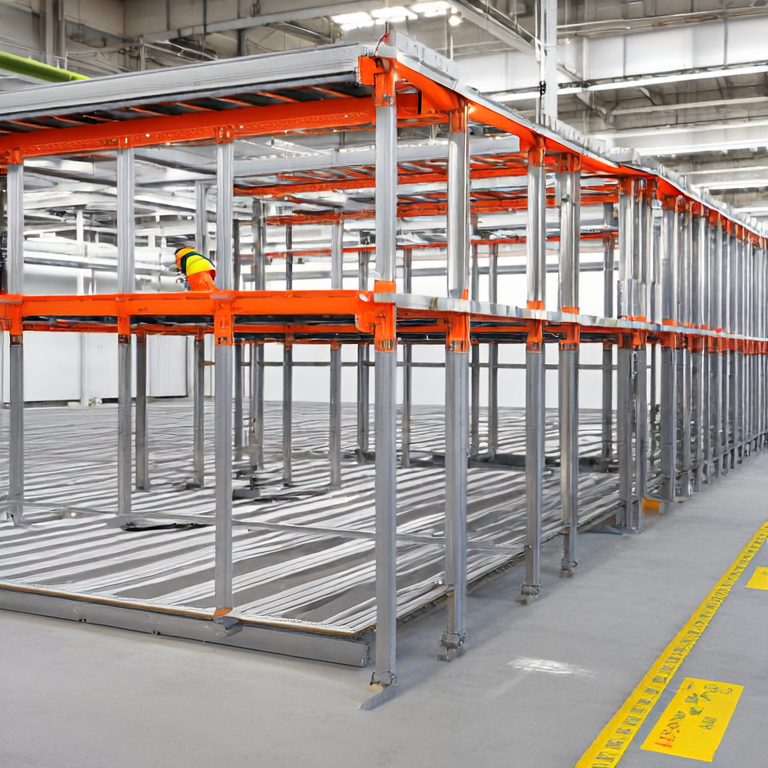
Common Errors and Solutions
Understanding common errors in the installation of Selective Pallet Racking can help prevent issues down the line. Here are some frequent mistakes and their respective solutions:
- Incorrect Load Capacity Calculations: Users may underestimate or overestimate load requirements.
- Solution: Perform thorough load calculations and consider the weight of pallets and products to prevent rack failure.
- Neglecting Regular Inspections: Users often fail to schedule frequent inspections post-installation.
- Solution: Implement a regular maintenance schedule every six months to ensure compliance and safety.
- Ignoring Manufacturer Guidelines: Skipping over critical installation guidelines can lead to accidents.
- Solution: Always read and follow the manufacturer's guidelines thoroughly during installation and assembly.
Summary and Suggestions
Ensuring rack safety compliance during the installation of Selective Pallet Racking systems requires diligence, awareness of regulations, and adherence to best practices. By preparing properly, following a step-by-step guide, and avoiding common errors, facility managers can not only enhance safety but also improve operational efficiency. Remember, a safe workplace contributes to overall productivity, achieving as much as a 30% increase in efficiency.
FAQ
Q: What are the main regulations to follow for rack installation?
A: Refer to OSHA guidelines and local building codes which provide critical frameworks for safety compliance in racking installations.
Q: How often should Selective Pallet Racking systems be inspected?
A: It’s recommended to conduct inspections at least every six months or after any significant warehouse reorganization.
Q: What tools are essential for installing racking systems?
A: Necessary tools include wrenches, torque wrenches, levels, and safety gear such as helmets and gloves.