Selective pallet racking is a type of storage system designed for direct access to each pallet. It allows for maximum flexibility and easily accommodates various types of products and uses.
Drive-in racking systems enable forklifts to drive directly into the rack, allowing for high-density storage of similar products. It optimizes warehouse space by reducing aisles and increasing storage density.
For both systems, the choice of forklift can impact efficiency. Pallet trucks used in selective systems often have longer battery life due to less frequent operation.
Drive-in racking can offer slightly less stability, especially if not loaded evenly, leading to a higher risk of accidents. Selective systems, with their direct access, allow for better monitoring and management.
| Characteristic | Selective Racking | Drive-In Racking |
|---|---|---|
| Access | Direct access | Indirect access |
| Storage Density | Lower | Higher |
| Ideal For | Diverse products | Bulk similar items |
Selective pallet racking is best suited for warehouses that store a wide variety of products with frequent turnover. Businesses prioritizing easy access and inventory rotation should consider using selective racking systems.
Drive-in racking is ideal for companies with large quantities of similar goods that do not require frequent access, such as food distributors or warehouse storage for components in manufacturing industries.
In conclusion, the choice between selective pallet racking and drive-in racking should be based on specific warehouse needs and product types. Consider the structure and operation efficiencies when aligning with your logistics strategy, and always consult with experts like UNISTAR for tailored solutions. 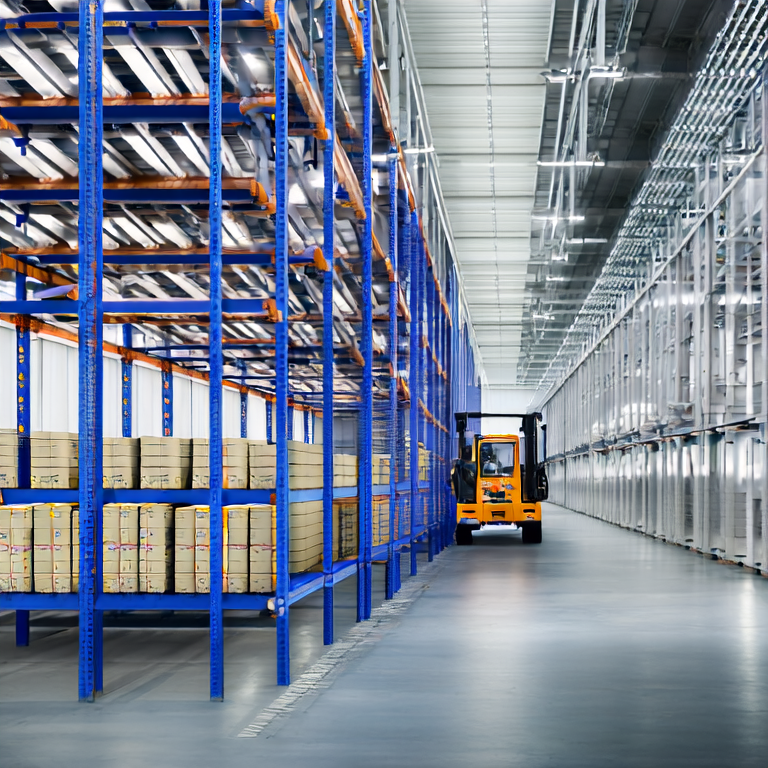 UNISTAR Racking Solutions">