How to Plan Warehouse Layouts Using Selective Pallet Racking Systems
Planning an efficient warehouse layout can be a daunting challenge for many businesses, especially when it involves implementing selective pallet racking systems. Users often face issues such as suboptimal space utilization, difficulty in inventory management, and slow picking processes. The intention behind improving warehouse layouts lies in maximizing storage capacity, enhancing operational efficiency, and improving order fulfillment speed. For instance, businesses looking to increase their picking accuracy and speed can benefit from selective pallet racking, which allows for organized storage of goods while providing ease of access. In fact, a well-implemented selective racking system can boost storage capacity by up to 50%.
Required Preparation for Effective Warehouse Layout Planning
Before starting your warehouse layout design, gather the following materials and tools:
- Warehouse Layout Software: Consider using software like AutoCAD or specialized warehouse management systems (WMS) for precise layout planning.
- Inventory List: Compile an accurate inventory list detailing dimensions, weight, and handling requirements of stored goods.
- Floor Plan: Obtain a current floor plan of your warehouse, including industrial dimensions and existing infrastructure.
- Measurements: Use measuring tools to assess the warehouse space and any potential obstacles that may affect the layout.
Step-by-Step Guidance for Implementing Selective Pallet Racking
The following steps will guide you through the planning process for a warehouse utilizing selective pallet racking systems:
- Assess Your Needs: Analyze your inventory turnover rates. A company, “XYZ Logistics,” found after analyzing their data that by increasing their selective pallet racking, they could reduce retrieval times by 20% during peak hours.
- Define the Layout: Choose a layout type that aligns with your operational strategy—either U-shaped, L-shaped, or straight line. Each has its own advantages based on the flow of goods.
- Design the Aisles: Determine the width of your aisles. Aisles should typically range between 8 to 12 feet, allowing for both standard forklifts and pallet jacks, with “UNISTAR” systems allowing for even narrower aisles.
- Select Racking Types: Based on your inventory size, select a racking type that best suits your needs. Selective pallet racks are extremely versatile for various SKUs, and they can accommodate heavy loads efficiently.
- Plan for Accessibility: Ensure that your most frequently accessed items are placed at eye level or within easy reach. “ABC Retailers” improved their picking times by 30% when they optimized their racking height based on usage frequency.
- Consider Safety Regulations: Ensure compliance with safety standards such as OSHA and local regulations. In a user case, a warehouse avoided significant fines by adhering to safety guidelines outlined by their racking supplier.
- Implement the Racks: Once planning is completed, install the racking systems according to the designed layout, ensuring that all racks are leveled and secured properly.
- Train Employees: Conduct training sessions to familiarize staff with the new system and safety protocols. “XYZ Distributors” noted a tremendous decrease in accidents after training their workforce on proper racking practices.
Common Errors and Solutions in Warehouse Layout Planning
While designing warehouse layouts using selective pallet racking systems, users may encounter several common pitfalls:
- Neglecting Future Growth: Failing to anticipate future inventory needs can lead to inadequate space. Always plan with potential expansions in mind.
- Poor Inventory Segregation: Mismanagement of inventory can lead to unexpected delays. Use distinct zones for different product categories to enhance efficiency.
- Ignoring Employee Feedback: Warehouse employees often have valuable insights. Neglecting their input can result in a layout that doesn’t meet actual working conditions.
Summary and Suggestions
Successfully planning a warehouse layout using selective pallet racking systems involves thorough needs assessment, thoughtful design, and employee involvement. Businesses like “ABC Logistics” have found that implementing these systems not only improved their space efficiency but also led to a tangible 25% increase in order fulfillment speed. Regularly review your layout and update it as your business evolves to maintain peak efficiency.
FAQs
What is selective pallet racking?
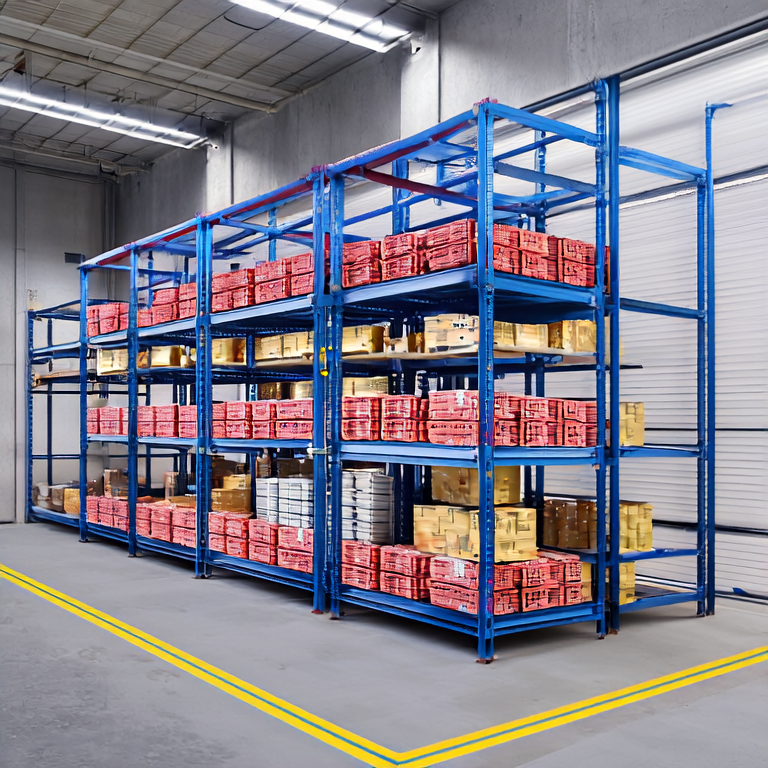
Selective pallet racking is a storage system that allows easy access to individual pallets, making them ideal for warehouses that manage a variety of products.
How does selective pallet racking improve efficiency?
It increases warehouse space utilization by up to 50% and facilitates quicker picking due to easy access to stored goods.
Can I customize my pallet racking layout?
Yes, selective pallet racking systems are highly customizable according to your specific warehouse dimensions and inventory needs.