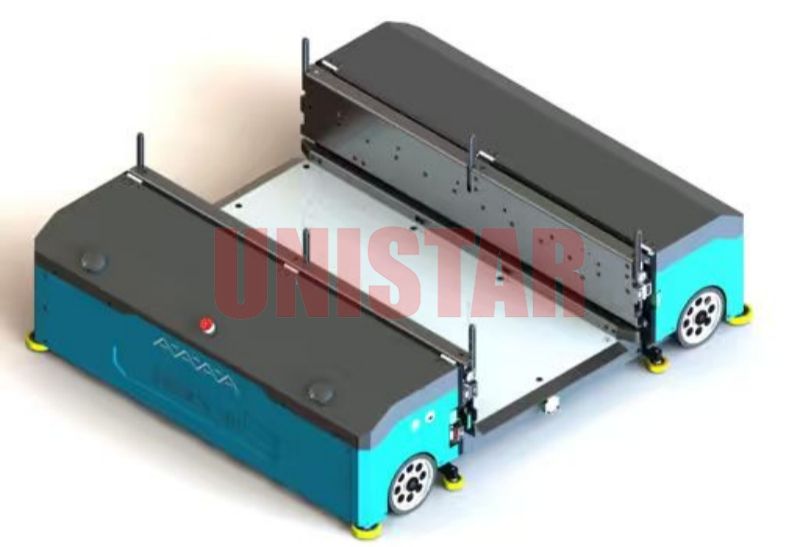
Miniload Shuttle System
Built with Racking, Mini Shuttles, Rails, Lifts, Conveyors, and software WCS/WMS.
Products Description
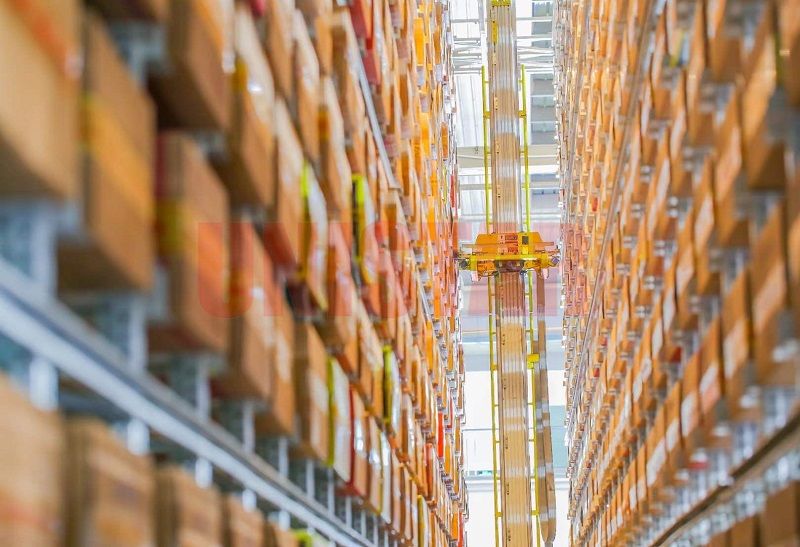
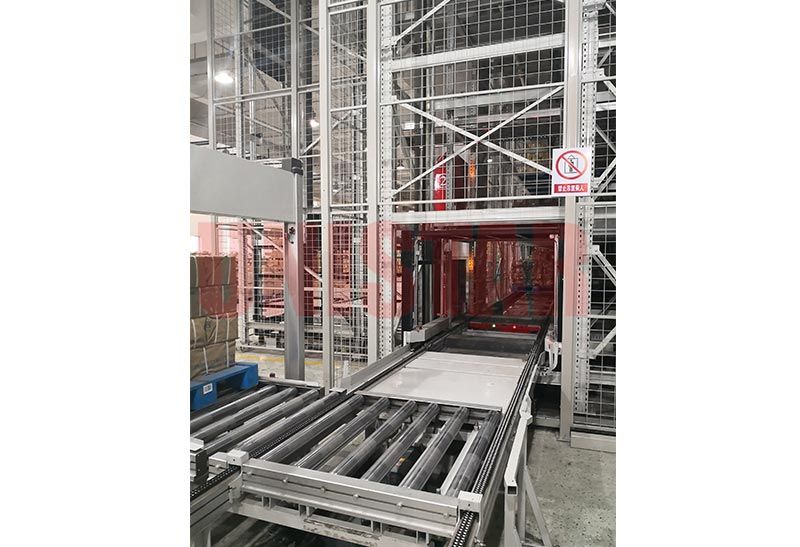
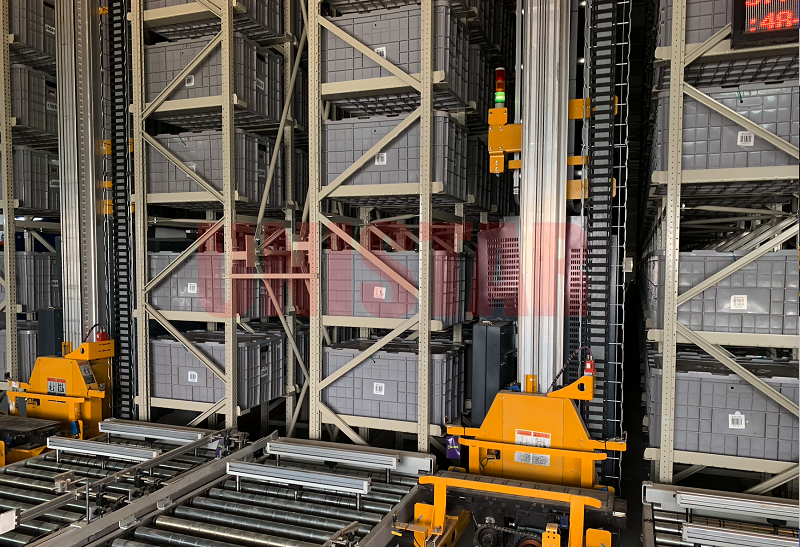
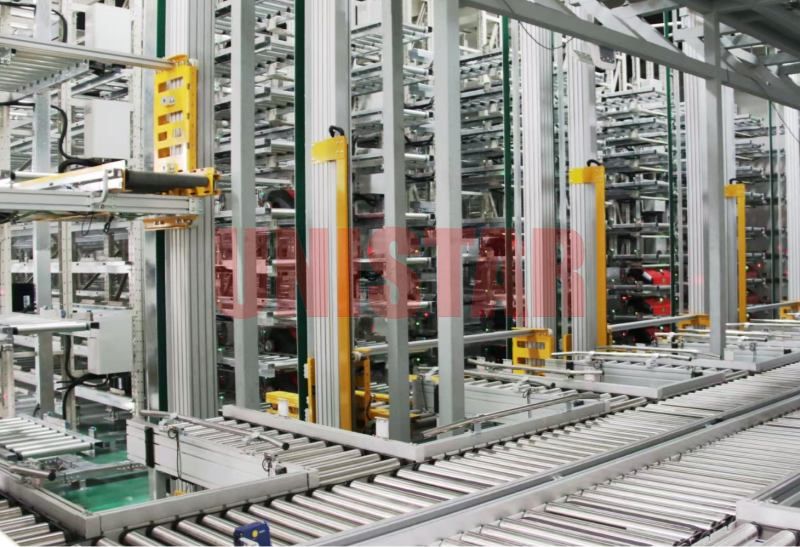
Miniload Shuttle System uses multiple small shuttle vehicles to store and retrieve totes, cartons and plastic bins from rack-mounted rails. Vertical lifts transfer the load units between levels, while conveyors connect the storage area with picking, sorting or production stations.
Unlike a Mini Load Stacker Crane ASRS, the movement tasks are distributed among multiple shuttle vehicles. This configuration is suitable for operations that require high throughput and scalable handling capacity.

System Components of Miniload Shuttle System
Miniload storage racking
Rail-mounted mini shuttles
Vertical tote lifts
Inbound and outbound conveyors
Buffer conveyors
Picking or transfer stations
WCS equipment-control software
WMS inventory-management software
ERP interface where required
Miniload Shuttle System Current System Scope
| Parameter | Unistar Product Scope |
|---|---|
| Load unit | Box, carton, plastic bin or tote |
| Maximum unit load | 50 kg |
| Storage depth | Single deep or double deep |
| Operation | Fully automatic |
| Software | WCS and WMS |
| External integration | Existing ERP can be connected |
| Main objective | High-efficiency small-load handling |
Miniload Shuttle System Selection Considerations
Single-deep storage provides direct access to every tote.
Double-deep storage increases density but changes access sequencing.
Shuttle quantity is selected according to peak throughput.
Lift quantity can become the main throughput constraint.
Tote dimensions must remain within the system tolerance.
Damaged or deformed containers may interrupt automatic handling.
Maintenance access and equipment-recovery procedures should be planned.
Conveyor buffers should match order peaks and picking-station capacity.