High-density storage is a game-changer for warehouses looking to maximize space. It enhances space efficiency, reduces warehousing costs, and provides faster access to products. As eCommerce demand rises, understanding high-density storage can lead to improved inventory management and lower operational costs. Is your warehouse ready for this upgrade? Let’s explore the critical factors.
1. Increased Capacity: High-density systems can help you store up to 80% more inventory in the same footprint.
2. Improved Accessibility: With organized systems, retrieval times can drop significantly.
3. Cost Efficiency: Decreased storage costs lead to increased savings over time.
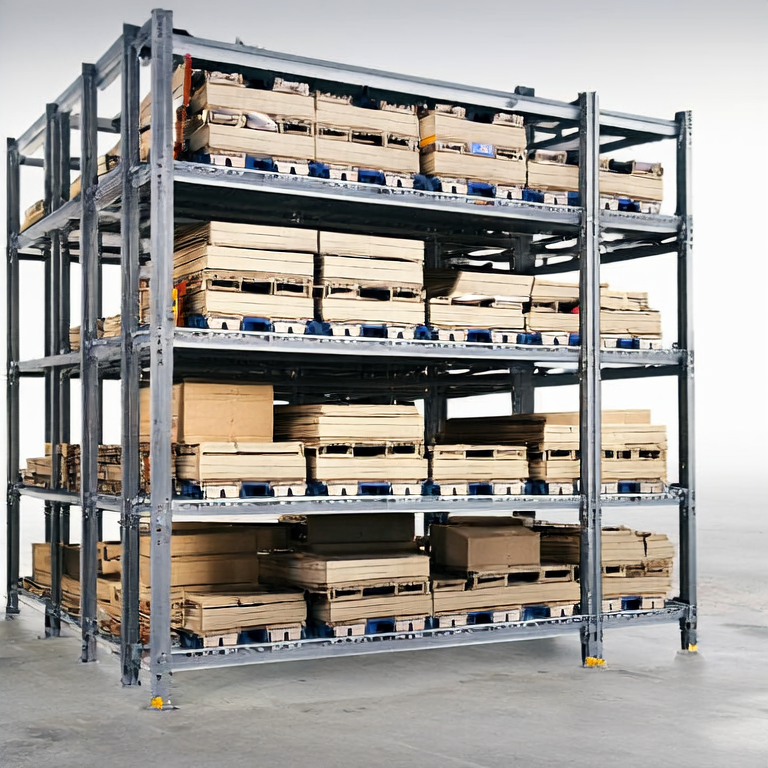
Before transitioning to high-density storage, perform a thorough assessment of your warehouse. Evaluate your current layout, inventory flow, and equipment. Consider the following steps:
Understanding the features of high-density storage systems can help streamline your decision-making process. Identify key elements that align with your warehouse’s needs.
| Feature | Description |
|---|---|
| Modular Design | Allows adjusting storage systems as inventory needs change. |
| Mobile Racking | Offers flexibility in configuring aisles for space optimization. |
| Push-Back Racking | Facilitates easy retrieval of multi-depth pallets. |
Transitioning to a high-density storage system requires careful planning. Follow these implementation steps:
As you adopt high-density storage, be aware of potential challenges. Here’s how to address them:
| Challenge | Solution |
|---|---|
| Overcrowding | Implement an inventory management system to balance stock levels. |
| Pallet Damage | Train staff on proper handling and storage techniques. |
| Inadequate Access | Designate clear access aisles to ensure smooth flowing traffic. |
Is your warehouse ready for high-density storage? By following these strategies and embracing innovative storage solutions, you can enhance operational efficiency and significantly reduce costs. Partner with UNISTAR to ensure you have the best high-density storage solutions tailored to your needs. Preparing your warehouse is not just about maximizing space; it is about empowering your business for the future.