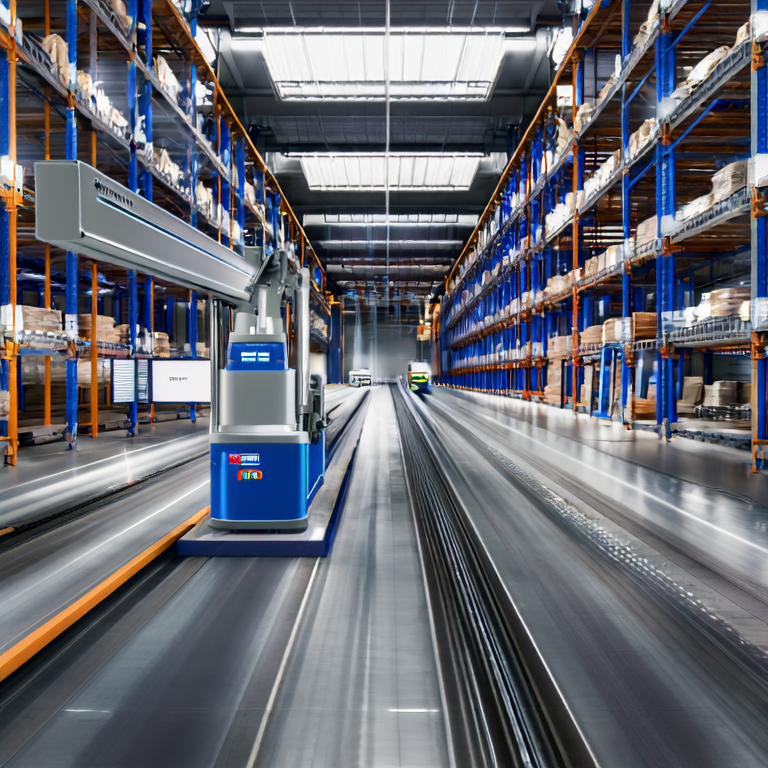
The modern warehousing sector faces multiple challenges, including inefficiencies in space utilization, slow operational speeds, and labor shortages. Long-standing issues such as these compel businesses to consider advanced solutions like the Stacker Crane System. This automated solution not only enhances warehouse operations but also optimizes storage capacities. For instance, companies that adopt this technology can witness significant improvements in throughput rates—often achieving 30% faster retrieval times. Learn how the Stacker Crane System can meticulously address user needs and transform automated warehousing into a seamless operation.
In the world of automated warehousing, users grapple with common issues such as:
By implementing Stacker Crane Systems, warehousing operations can significantly alleviate these acute pain points, leading to remarkable improvements in efficiency and cost savings. For example, a case study involving a regional grocery distribution center found that integrating UNISTAR's Stacker Crane technology resulted in a 50% increase in storage density while reducing order-picking times to 60 seconds per pallet.
To successfully deploy a Stacker Crane System, certain preparations and prerequisites must be addressed:
Follow these actionable steps to establish a Stacker Crane System in your warehouse:
Even with a solid plan, some common pitfalls can arise:
In conclusion, the Stacker Crane System represents a game-changing advancement in automated warehousing. By alleviating pain points such as inefficiencies, labor shortages, and operational speed, businesses can enhance their warehousing capabilities significantly. A focus on proper preparation, tailored system design, and rigorous staff training can lead to seamless operation and increased ROI. Consider incorporating UNISTAR's Stacker Crane technology to modernize your warehousing processes efficiently.
1. What industries benefit the most from Stacker Crane Systems?
Industries like retail, food distribution, pharmaceuticals, and automotive can experience substantial benefits from adopting Stacker Crane Systems, thanks to improved efficiency and storage optimization.
2. What is the average ROI time frame for implementing a Stacker Crane?
Companies typically experience an ROI period of 1 to 3 years, depending on the scale of integration and process optimization achieved.
3. Are Stacker Cranes customizable for different warehouse layouts?
Absolutely! Stacker Crane Systems can be customized to fit various warehouse layouts, enhancing operational efficiency and maximizing available space.
Previous: None
Next: What Is Selective Pallet Racking and Why Is It So Popular?